Yes you can learn tai chi and kung fu and much more from home
Tai Chi – Kung Fu – Qigong – Meditation – Posture – Breathing – Taoism – Physical Conditioning – Spirituality – Philosophy – Self Development – Self Defence
If you want to learn real tai chi, qigong and kung fu this is the place to come. There is almost nowhere else you can learn such depth of knowledge so freely and cheaply. And we have only just started. There is a huge amount more that will be created and uploaded over the weeks and months ahead. We have uploaded over 130 articles in the last month with much more to come.
I am now introducing pathways to guide you through the knowledge so that you learn things in the right sequence. This will ensure you don’t get confused and have a firm foundation before you move on.
What do you want to learn?
Tai Chi
Kung Fu
Physical and Mental Health
View our free articles
I have started organising the content into courses that can be found by clicking here.
or keep scrolling down to browse through all our content.
Under the title of each post is a list of the categories it is in.
There are two categories that require payment: Basic at £8pm and Intermediate at £15pm. This works out at less than 50p per day. Click here to sign up. Your first week is free.
The information is very easy to access and cross reference. The posts are full of links taking you to the relevant associated information. There is also a powerful search bar top right of the page. It can be used to find any information we have on the site. It’s all been indexed so it will return the most relevant results instantly. Eg if you type ‘cat step’ it will show you how to do it plus all the other moves and skills that involve the cat step.
Note that it will only show free posts unless you have a membership. To browse our protected content click on the relevant categories.
You can see a short excerpt from each post but will be prompted to pay to see the whole article. Some are freely available to anyone without payment.
First Week Free On All Packages
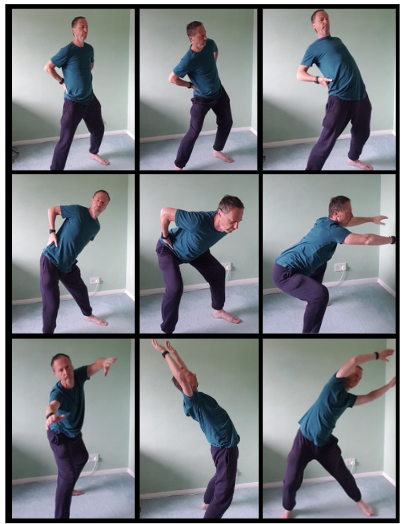
In kung fu and tai chi you learn to direct the force of your body through the centre. This is your waist and hip area. Yet it is often full of tension. Most people spend a lot of the lives sitting down and when they walk their walking habits are unbalanced and lack grace and aliveness. All of this creates tension in the muscles surrounding the hips. This exercise is…
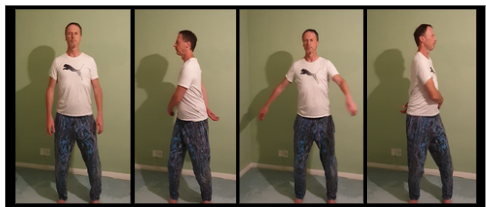
This is a classic and popular qigong exercise to loosen the shoulders, realign the spine and teach you to twist upwards through the whole body. It connects every part of you to the centre of your body and teaches you to direct power from there. This exercise is the most common first exercise I do in class to begin loosening and warming students up. This arm swing looks simple but…
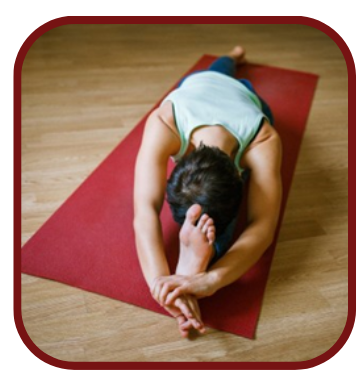
Stretching is an important part of conditioning to be fitter and healthier. Do you really need more reasons than that to stretch regularly? If the answer is yes, consider this. Imagine if you could have a bath in WD40. It would seep into all your joints, restoring them to their full range of motion, lubricating every part until it was as new and dissolving away all your tension. What would…
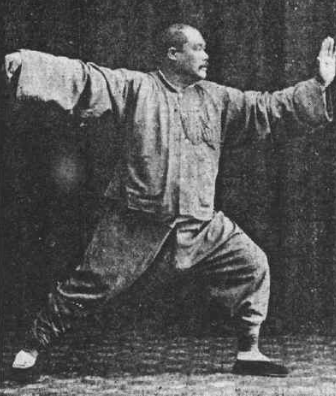
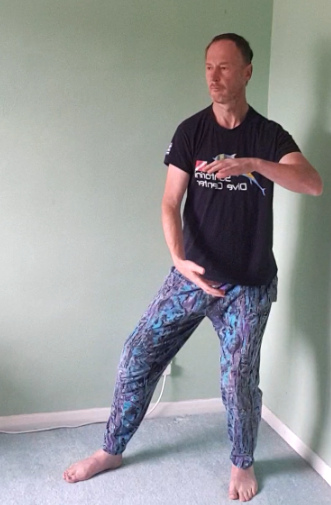
Single whip is one of the best known moves in tai chi I have seen single whip performed in many different ways. I use a variety of ways myself. Any of the four main arm circles can be used in single whip. The way I teach it here uses your full weight into your supporting leg, a turning of the waist and a wave like movement through your arm to…
Push is a movement that looks easy but can take years to get right. It is used several times in the tai chi form but is also essential study for kung fu practitioners. The principles of push can be applied to a wide range of other techniques. Push is actually two movements. There is a drawing back move where you take all your weight plus your opponent’s energy and root…
In tai chi we use all kinds of imagery to help us understand the movements and concepts and change the way a movement feels. To understand roll back imagine trying to push a ball under water. Unless your hand is directly on top of the ball’s centre it will sink and turn away and your hand will get wet. This is exactly what roll back does. The previous movement led…
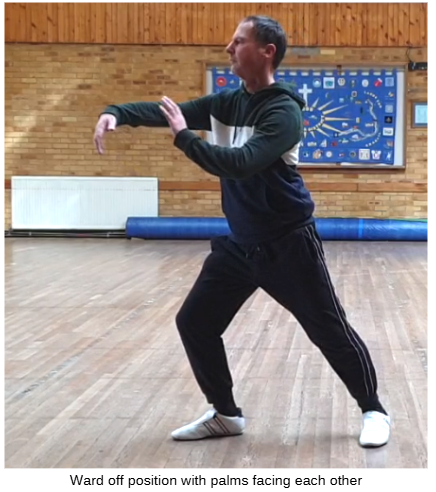
After the initial opening movements of raising and lowering the arms ward off is the next move. We ward off to the North then to the East. Ward off is a fascinating movement and an excellent demonstration of how yin and yang work to create power. Essentially one half of the body is yin, heavy with latent power. Then in ward off that power flows to the other side of…
Holding the ball refers to any hand position where the palms are facing each other. This is very common throughout the tai chi form. Holding the ball is about creating an energy connection between your hands – a circuit that energy can travel through. It helps sensitise your hands to energy fields. Don’t worry if you don’t feel anything at first. There are many reasons why people can’t feel energy…
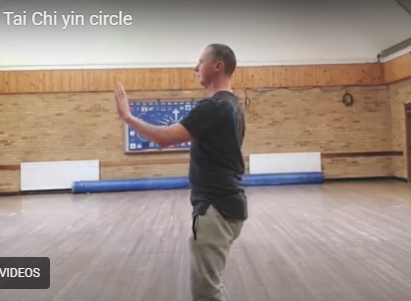
In the Jade Dragon tradition arm circles are taken very seriously. They teach us to move our arms fluidly, without tension, without hesitation at any angle and at any speed. There are 8 circles to learn but only 4 of those are used in tai chi. This version of the yin circle is one of the most common arm movements in our tai chi form so it’s important to get…
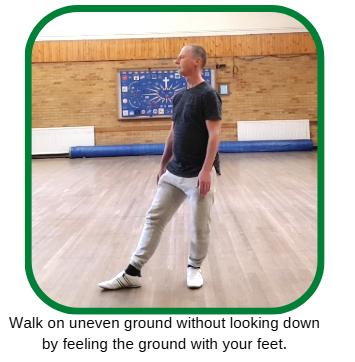
In tai chi we learn to walk in a certain way. We never just put a foot forward then drop our weight onto it. We place the foot down first then transfer our weight forward. The best way to practice this kind of walking is through the cat step When cats stalk their prey they move in a silent fluid motion. They have a distinct advantage over is in having…
In kung fu and tai chi there are only two movements we can do that have any real power. One is transferring your weight from one leg to the other. The other one is twisting your body at the waist and hips. Transferring weight simply involves moving your weight from one leg to the other. But as with everything we teach how you do it can make a massive difference…
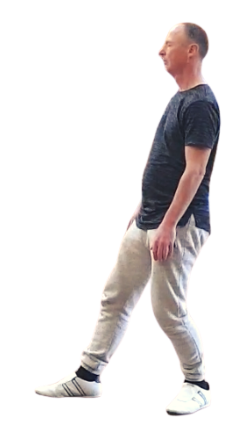
The cat stance is one of the most used stances in both tai chi and kung fu. Yet when you first start to use it you may find it unstable and unbalanced – unlike a cat! Simply put the cat stance involves having all your body weight on one foot while the other foot rests under its own weight on the ground in front of you. The supporting foot is…