Below are our posts on the beautiful and beneficial art of tai chi. There are also posts on tai chi’s sister art baguazhang and on the practices of qigong, meditation, postural exercises and so forth.
More are being added all the time. Keep checking back.
If you’re new to tai chi begin here.
To learn the form see our tai chi form pathway or our courses. I am gradually organising all the content into courses to make it easier for you to learn. .
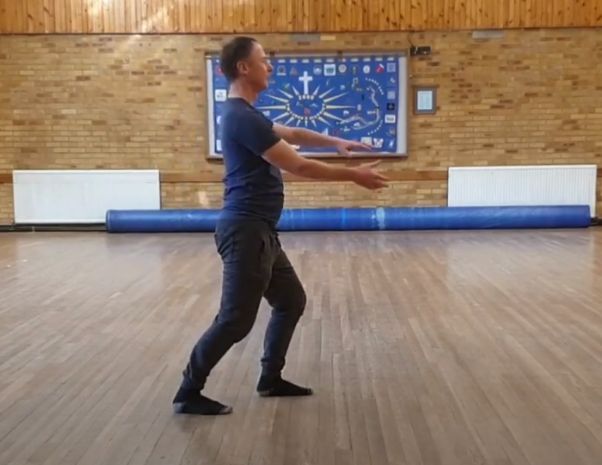
Heaven Figure 8 stepping pattern
The heaven figure 8 stepping pattern is very useful for tai chi practitioners to learn and essential for students of Jade Dragon Kung Fu. It forms a part of many of our styles and movements. You will find it in our leaping tiger form and discover many ways to use…
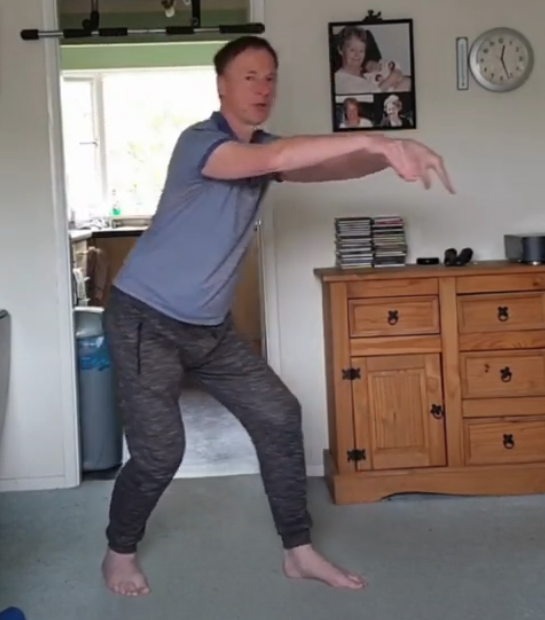
Wave movements in Push
Learning to move in fluid wave-like patterns is good for your health, open your joints and allows power to flow through you in the most efficient way. The tai chi move ‘push’ is an ideal move to incorporate this wave movement. Do practice the basic move first. Then check out…
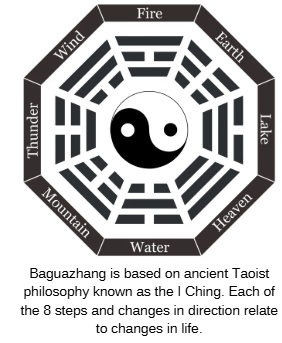
Bagua 1 – Walking the Circle
Baguazhang (pronounced bag-wa-jang), or bagua (pakua) for short, is a fascinating practice of moving meditation and self development that became the most sought after martial art in China. This post, and the video at the end of it describes the basic practice of walking the circle. Don’t neglect this as…
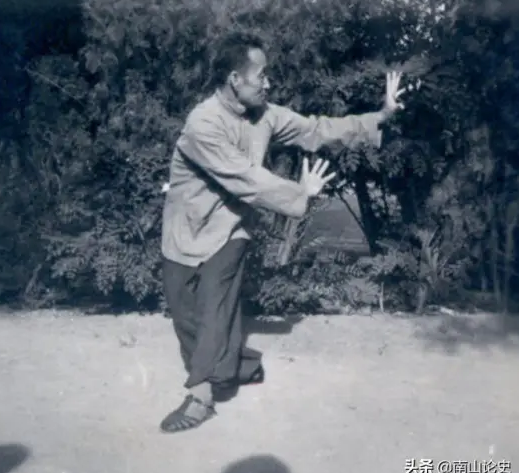
Bagua 2 – Fan Chang
Fan Chang is an arm movement that takes power from a rotation of the legs and waist and projects it out through the palms. With practice you open up the energy channels and can feel a strong connection of energy all the way up from feet to palms. Rotation is…
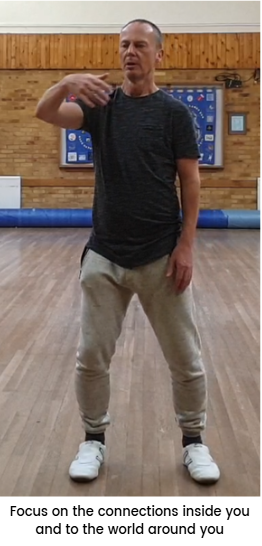
Reeling Silk
For thousands of years the Chinese have cultivated silk. Silk is a very delicate material to work with. To draw a silken thread out of a cocoon the action must be very smooth and even with no jerkiness or changes of direction. Otherwise the thread will snap. Too fast and…

Bagua 3 – Changing Direction
Although bagua is famous for its circle walking practices it is during the changes of direction that the magic really happens. There are many methods of changing direction. Each develops different skills. Some of them are very simple, others very complicated and challenging. The video below will show several key…