There are hundreds of martial arts in the world and each of them uses specific tactics to cope with the rigours of combat. All martial arts focus on different things, no single martial style can hope to be able to deal with every type of situation, every type of attack, every weapon, every set of circumstances and so on.
In particular each of them has to come to terms with the stability-mobility continuum. This means that the more stable you are the less mobile you are and vice versa. Both are needed in combat – stability to give efficient power to your movements and mobility to get you out of danger and move you into the right position to counterattack quickly.
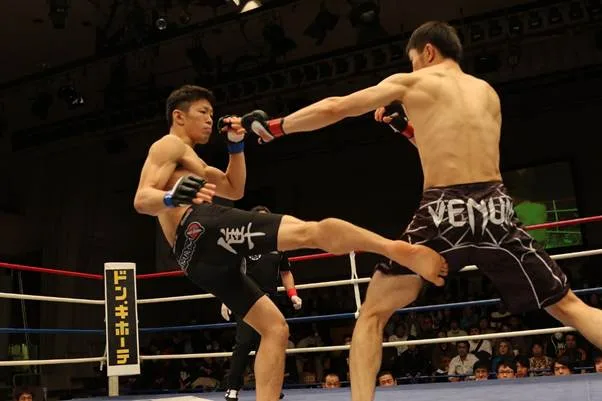

Combat sports are not the same as traditional martial arts
There have been many attempts to categorise martial arts but I think the most useful is to divide them into 3 camps:
The aerial camp
The aerial camp favours mobility over stability. They dance around in front of the opponent weaving out of the way of attacks and looking for gaps in the defence when they spring forward to attack. Fighters in the aerial camp are always strikers and kickers. They don’t use throws or joint locks as these require a solid contact with the ground to provide the necessary leverage.
This lack of contact with the ground means they are unable to develop whole body power so they need to overdevelop local power. Local power comes from the muscles local to the movement. Eg their strikes come from only the arm and shoulder muscles rather than also using the back, waist and legs. Examples from the aerial camp include boxing, kickboxing, taekwondo, muay thai and others.

The grapplers
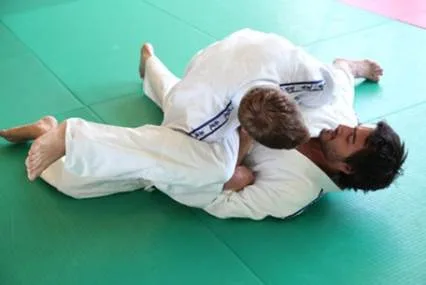
The grapplers specialise in keeping the centre of gravity low and taking their opponent to the ground. Once there they aim to immobilise the opponent or cause significant pain and joint damage.
The grapplers low stance and willingness to take the fight to the ground can make them difficult to defend against. However, it also makes them vulnerable to multiple attackers as, in grappling, all focus is on one man and grappling with more than one at a time is almost impossible.
The ground camp includes judo, jiujitsu, BJJ and all kinds of wrestling.

The stance camp.
The stance camp aims for a balance of mobility and stability. The stance camp uses upright stances where the body is relaxed down onto the ground. This gives added power to all movements as the whole body works together – arms, legs, waist, back etc and is firmly rooted to the ground for maximum efficiency of movement.
At the moment when force is being applied the whole body becomes as stable as possible so that the forces move the opponent not the one in the good stance. With practice, the root can be lifted for maximum mobility or dropped for maximum power extremely quickly to give the relaxed power and freedom of movement that is often necessary in combat.
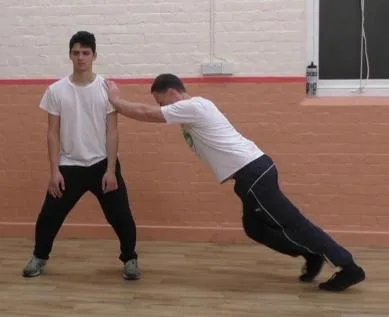

A martial artist who uses stances well can use them in any kind of combat – throws, locks, kicks, strikes and so on. This added versatility makes them a formidable fighter.
I have only ever trained in the stance camp but it seems to be the one that is most effective for real combat as opposed to sport combat. The aerial camp’s lack of whole body power and the grappler’s lack of defence against multiple opponents are inherent weaknesses that cannot be overcome through additional training.
No matter how good a BJJ exponent is he cannot effectively defend himself against more than one attacker at a time. No matter how strong a kickboxers kicks are they won’t be as strong as a proper punch that uses the legs, waist, back, shoulders and arms of a stance camper.
In sports there are rules and regulations, protective equipment, a standardised environment, only one opponent to face and one who is trained the same as you are and doing much the same moves. It isn’t even close to realistic.
If you are training in a combat sport be aware that you are training for a sport and not training for being able to survive real life encounters.
Find out more about the martial arts through the kung fu classes I run or sign up to our site to learn the wealth of material we have here.